

EBS FREE ARTICLES FOR YOU Articles The Organizational Side of Digital Transformation Digital transformation is frequently discussed in terms of technology adoption. Organizations invest in new platforms, automation tools, data analytics, and digital infrastructure with the expectation that technological advancement will improve Read More » Articles Managing Talent in Complex Organizational Systems Talent management has traditionally focused on identifying high potential individuals, developing skills, and placing capable people in critical roles. In simpler organizational environments, this approach often produced strong results. However, Read More » Articles When Strategy Becomes Documentation Instead of Direction In many organizations, strategy is developed through extensive analysis, structured planning sessions, and carefully prepared presentations. Strategic documents are produced, objectives are defined, and roadmaps are communicated across the organization. Read More » Articles The New Reality of Career Development in Modern Organizations Career development was once understood as a structured and relatively predictable journey. Professionals entered organizations, developed expertise within defined roles, and advanced through hierarchical progression over time. Success was often Read More » Articles Understanding Organizational Drift in Expanding Companies As companies expand, growth often brings new opportunities, increased resources, and broader market reach. Yet expansion also introduces subtle changes that are not immediately visible. Over time, organizations may begin Read More » Articles The Role of Thinking Quality in Business Leadership Leadership discussions often focus on visible competencies such as communication skills, decisiveness, or the ability to motivate teams. While these capabilities are important, they are ultimately expressions of something deeper. Read More » Articles When Communication Stops Supporting Collaboration Communication is widely regarded as the foundation of collaboration. Organizations invest in meetings, communication platforms, and reporting systems with the expectation that increased communication will improve coordination and teamwork. Yet Read More » Articles The Limits of Best Practices in Modern Business Best practices have long been viewed as reliable pathways to organizational improvement. Businesses study successful companies, adopt proven methods, and implement standardized approaches with the expectation that similar results will Read More » Articles From Individual Performance to Organizational Performance Many organizations invest heavily in improving individual performance. Recruitment focuses on attracting talented professionals, performance management systems evaluate personal achievements, and development programs aim to strengthen individual capability. While these Read More » « Previous Page1 Page2 Page3 Page4 Page5 Page6 Page7 Page8 Next »



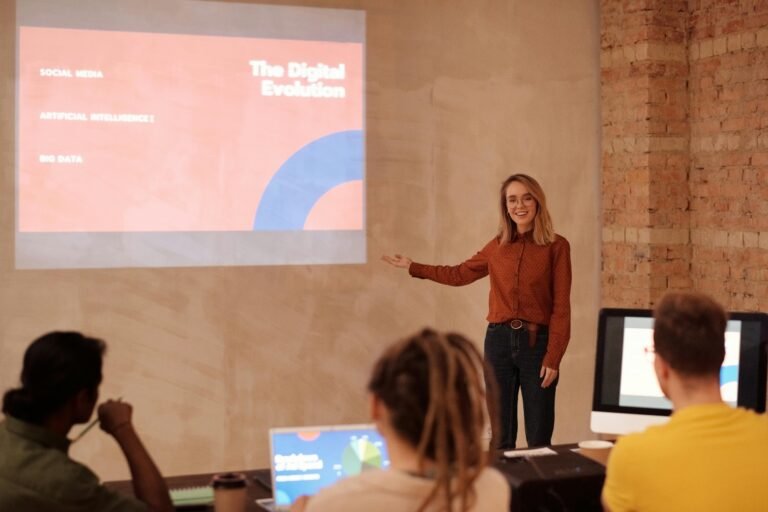



Articles The Organizational Side of Digital Transformation Digital transformation is frequently discussed in terms of technology adoption. Organizations invest in new platforms, automation tools, data analytics, and digital infrastructure with the expectation that technological advancement will improve Read More »
Articles Managing Talent in Complex Organizational Systems Talent management has traditionally focused on identifying high potential individuals, developing skills, and placing capable people in critical roles. In simpler organizational environments, this approach often produced strong results. However, Read More »
Articles When Strategy Becomes Documentation Instead of Direction In many organizations, strategy is developed through extensive analysis, structured planning sessions, and carefully prepared presentations. Strategic documents are produced, objectives are defined, and roadmaps are communicated across the organization. Read More »
Articles The New Reality of Career Development in Modern Organizations Career development was once understood as a structured and relatively predictable journey. Professionals entered organizations, developed expertise within defined roles, and advanced through hierarchical progression over time. Success was often Read More »
Articles Understanding Organizational Drift in Expanding Companies As companies expand, growth often brings new opportunities, increased resources, and broader market reach. Yet expansion also introduces subtle changes that are not immediately visible. Over time, organizations may begin Read More »
Articles The Role of Thinking Quality in Business Leadership Leadership discussions often focus on visible competencies such as communication skills, decisiveness, or the ability to motivate teams. While these capabilities are important, they are ultimately expressions of something deeper. Read More »
Articles When Communication Stops Supporting Collaboration Communication is widely regarded as the foundation of collaboration. Organizations invest in meetings, communication platforms, and reporting systems with the expectation that increased communication will improve coordination and teamwork. Yet Read More »
Articles The Limits of Best Practices in Modern Business Best practices have long been viewed as reliable pathways to organizational improvement. Businesses study successful companies, adopt proven methods, and implement standardized approaches with the expectation that similar results will Read More »
Articles From Individual Performance to Organizational Performance Many organizations invest heavily in improving individual performance. Recruitment focuses on attracting talented professionals, performance management systems evaluate personal achievements, and development programs aim to strengthen individual capability. While these Read More »